At a glance
Whether anxiety qualifies for a medical marijuana card depends on your state, diagnosis, medical history, and an authorized practitioner’s evaluation.
- Pennsylvania recognizes anxiety disorders. Anxiety disorders are included on Pennsylvania’s list of approved serious medical conditions, but certification from an approved practitioner is still required.
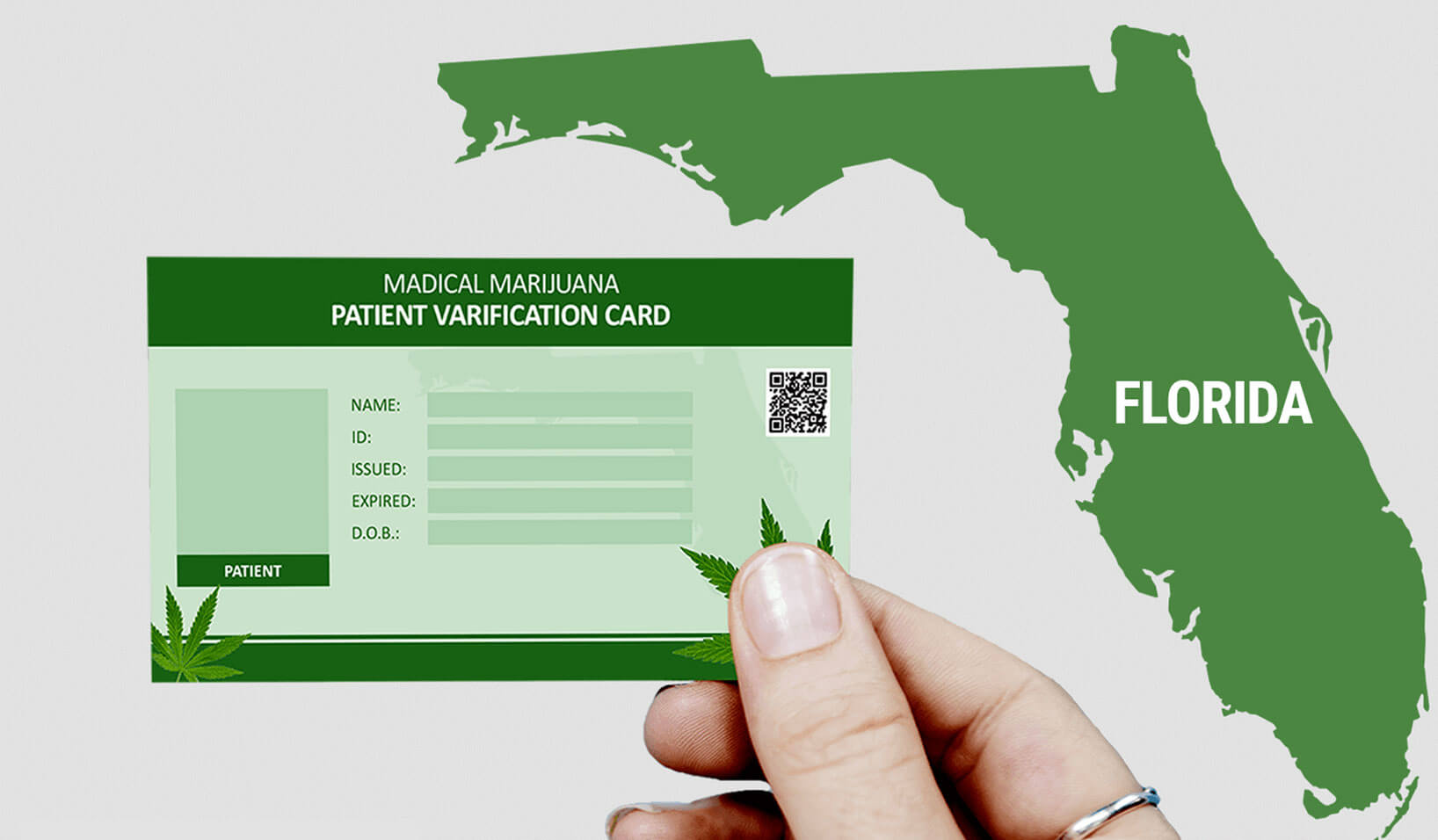
- Florida does not specifically list anxiety alone. A Florida patient may qualify through PTSD, another listed condition, or a condition the physician determines is comparable to those named in the law.
- Anxiety and PTSD are not interchangeable. Feeling anxious or having an anxiety disorder does not automatically mean a patient meets the diagnostic criteria for post-traumatic stress disorder.
- Certification is never guaranteed. The practitioner must review the patient’s diagnosis, symptoms, medical history, medications, and individual risks before deciding whether medical marijuana is appropriate.
- Medical documentation can support the evaluation. Records showing the diagnosis, symptoms, previous treatments, and how anxiety affects daily functioning can help the practitioner make an informed decision.
- Cannabis can sometimes worsen anxiety. THC—particularly at higher doses—may cause panic, paranoia, rapid heart rate, impaired concentration, or increased anxiety in some patients.
- CBD is not a guaranteed anxiety treatment. Early research is being conducted, but over-the-counter and dispensary CBD products vary, may interact with medications, and are not proven replacements for established anxiety treatment.
- Do not abruptly stop prescribed medications. SSRIs, benzodiazepines, and other mental-health medications should not be discontinued or changed without guidance from the prescribing clinician.
- Medical marijuana should be part of a broader care plan. Therapy, prescribed medications, sleep, exercise, stress-management strategies, and ongoing mental-health care may remain important even if cannabis is authorized.
Living with anxiety can be quite challenging for individuals. It affects their activities and overall quality of life, making it crucial to find management strategies. One popular option is using marijuana. In this post, we will delve into the process of obtaining a marijuana card for anxiety, discussing the benefits and risks while also exploring the current legal landscape surrounding this treatment choice.
As awareness around mental health continues to grow, many individuals suffering from anxiety are seeking alternative forms of treatment beyond traditional medication and therapy. One option gaining traction is medical marijuana, which is now legally available in many parts of the United States. For individuals struggling with anxiety disorders, obtaining a medical marijuana card can be a life-changing step toward managing symptoms in a more holistic way.
Why Consider Medical Marijuana for Anxiety?
Anxiety disorders are among the most common mental health conditions, affecting millions of people worldwide. They can manifest as persistent worry, panic attacks, social discomfort, or general nervousness that interferes with daily life. While many individuals find relief through medications like SSRIs or benzodiazepines, others may experience side effects or find that traditional treatments don’t work well for them.
Medical marijuana, particularly strains rich in CBD (cannabidiol) with low levels of THC (tetrahydrocannabinol), has shown promise in reducing anxiety symptoms by interacting with the body’s endocannabinoid system—a network of receptors that helps regulate mood, sleep, and stress.
Step 1: Consult with a Healthcare Professional
The first step in obtaining a medical marijuana card is scheduling an appointment with a licensed healthcare provider who is authorized to recommend cannabis in your state. These professionals are often found at dedicated medical marijuana clinics or through telehealth platforms.
During your consultation, the provider will:
- Review your personal and family medical history
- Evaluate your current anxiety symptoms
- Discuss previous treatment methods and their effectiveness
- Determine whether medical marijuana is a safe and appropriate option
It’s essential to be open and honest during this conversation. Describe how anxiety impacts your daily life, your coping mechanisms, and any side effects you've experienced from previous medications. This level of transparency helps the provider make a well-informed recommendation tailored to your needs.
Step 2: Meet the Qualification Criteria
Each state that has legalized medical marijuana has its own qualifying conditions. While anxiety may not be explicitly listed in every jurisdiction, it is often covered under broader categories such as post-traumatic stress disorder (PTSD), chronic anxiety, or generalized mood disorders.
To qualify for a marijuana card for anxiety, you will typically need:
- A diagnosis from a licensed mental health professional or primary care provider
- Medical documentation showing the condition is ongoing
- Proof that traditional treatments have not been effective or have caused adverse effects
States like Florida, Pennsylvania, and California have increasingly recognized anxiety-related disorders as valid reasons to pursue cannabis therapy under their medical marijuana programs.
Step 3: Submit Your Application to the State Registry
Once your physician determines you are eligible and provides a recommendation, the next step is to register with your state’s medical marijuana program. This process often includes:
- Filling out an online application
- Uploading proof of residency (such as a state-issued ID or utility bill)
- Paying an application fee (usually $25–$100 depending on the state)
- Providing a copy of your doctor’s certification
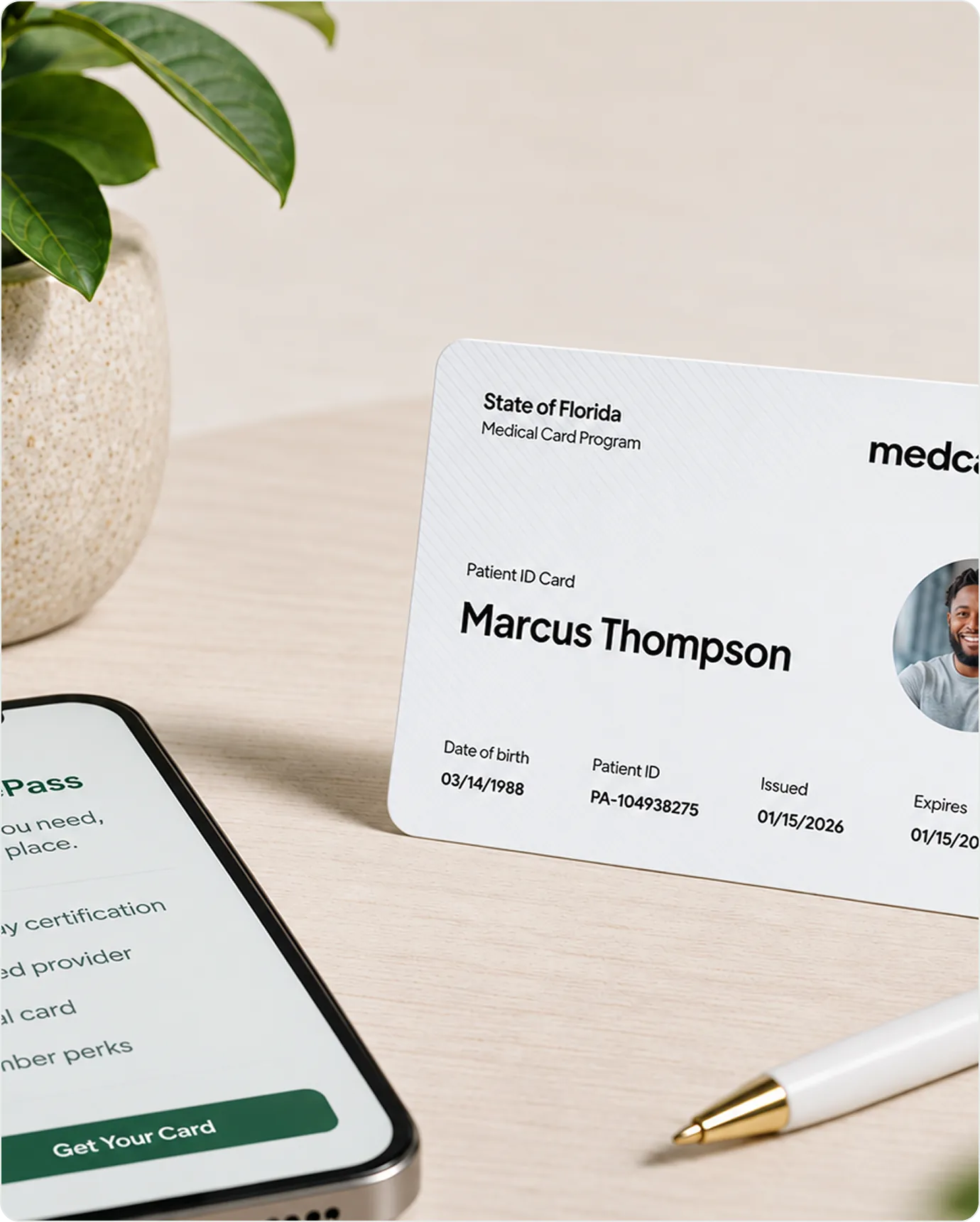
After submission, the state will review your application. If approved, your medical marijuana ID card will be mailed to you or available digitally, typically within 7–14 days.
Step 4: Understand the Legal Regulations and Limits
While many states now allow the use of medical marijuana for qualifying conditions, each has its own laws and restrictions that you must follow. These can include:
- Approved dispensary locations
- Monthly purchase or possession limits
- Restrictions on product types (e.g., oils, tinctures, flower)
- Rules around public use or travel with cannabis
It’s critical to familiarize yourself with these regulations to ensure legal and responsible use. In some states, laws are still evolving, so staying informed about updates to medical marijuana policy is essential for patients and caregivers alike.
Obtaining a medical marijuana card for anxiety is a multi-step but manageable process that begins with open communication and ends with safe, legal access to an alternative form of treatment. For many individuals, cannabis offers relief from the debilitating effects of anxiety and a new path toward mental clarity and emotional balance.
If you believe medical marijuana might help with your anxiety, start by consulting a licensed provider who specializes in cannabis therapy. With the right guidance and education, relief could be just a few steps away.