At a glance
The essential steps Pennsylvania residents must complete to register with the state, receive a practitioner certification, and obtain a medical marijuana identification card.
- Confirm that you meet Pennsylvania’s requirements. You must be a Pennsylvania resident and have at least one serious medical condition recognized by the state program.
- Register with the state before your appointment. Create a patient profile through Pennsylvania’s Medical Marijuana Registry using the information exactly as it appears on your Pennsylvania driver’s license or state-issued ID.
- Save your Patient ID number. After registering, you will receive a Patient ID beginning with “P.” Add this number to your Medcard.com forms before meeting with the practitioner.
- Complete your medical evaluation. An approved Pennsylvania practitioner will review your medical history and determine whether you have an eligible serious medical condition.
- Certification is not guaranteed. If you qualify, the practitioner submits the patient certification directly through Pennsylvania’s system.
- Pay the state fee after certification. Return to the state registry and follow the payment instructions. The standard annual fee is $50.
- Some patients qualify for a $0 state fee. Participants in Medicaid, PACE/PACENET, CHIP, SNAP, or WIC may be eligible for the reduced fee.
- Wait for the physical card to arrive. Pennsylvania advises allowing approximately seven days for printing and up to 14 days for the card to arrive by mail after payment.
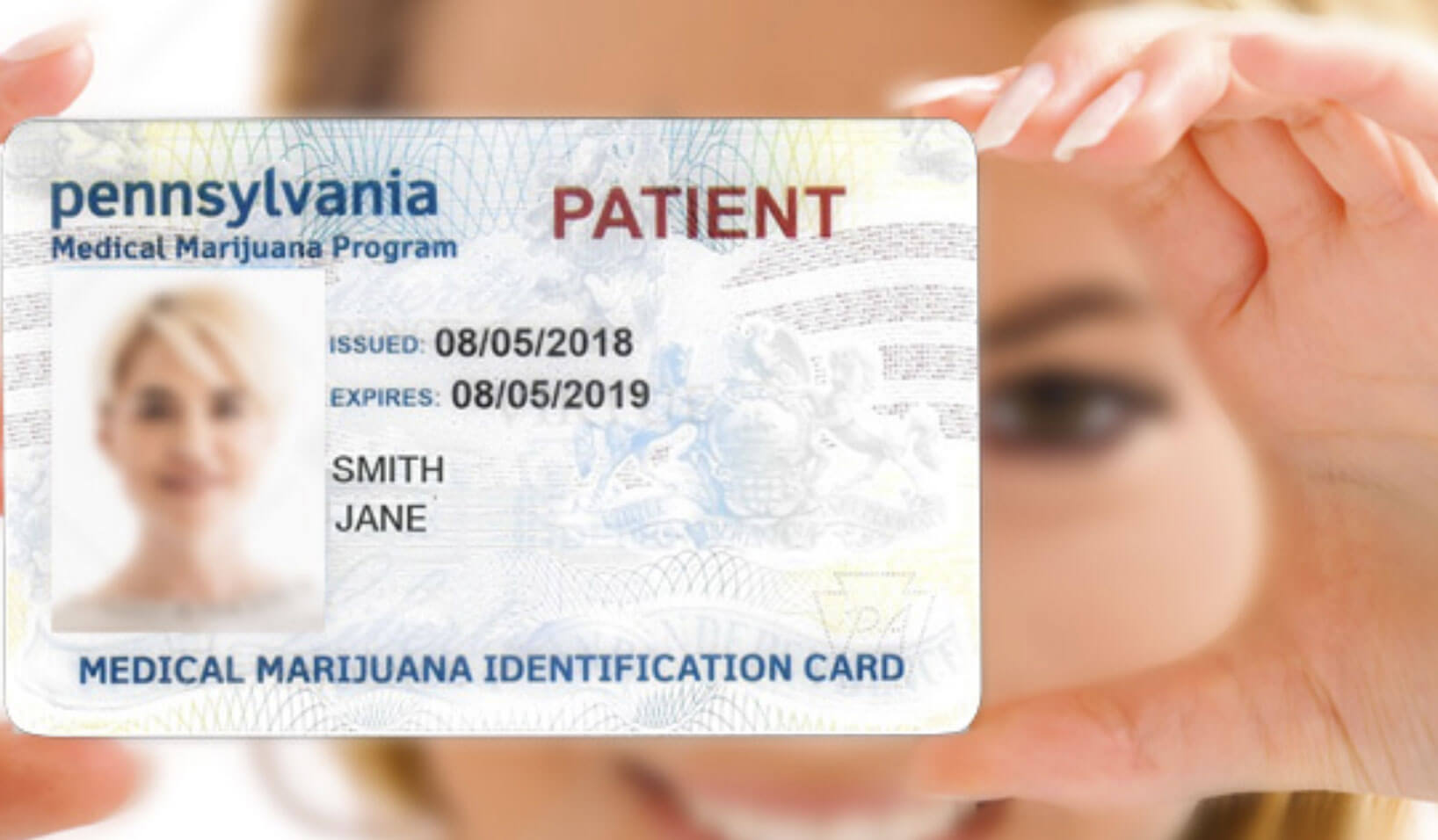
- Do not visit a dispensary without the card. Patients must present their active physical Pennsylvania medical marijuana identification card before purchasing products.
- Purchase only approved product forms. Legal options include pills, oils, tinctures, liquids, topicals, vapor products, and dry leaf intended for vaporization. Smoking dry leaf remains prohibited.
- Keep your certification and annual payment current. Both requirements must remain active to avoid an interruption in legal dispensary access.
How Do I Get a Medical Marijuana Card in Pennsylvania?
As awareness grows about the potential health benefits of cannabis, more Pennsylvania residents are exploring medical marijuana as a treatment option. Whether you're dealing with chronic pain, anxiety, or a qualifying medical condition, the process of obtaining a medical marijuana card is straightforward when you know the steps.
Understanding the Basics
The Pennsylvania Medical Marijuana Program was established in 2016 and has expanded significantly since then. The goal is to provide patients with safe, regulated access to cannabis-based treatments for qualifying conditions under the care of a licensed physician.
In Pennsylvania, you must be a resident of the state and have a qualifying medical condition to be eligible for a medical marijuana card.
Step 1: Check Your Eligibility
Before beginning the process, it’s essential to determine if you meet the eligibility criteria.
You must:
- Be a resident of Pennsylvania with a valid PA driver’s license or state-issued ID
- Be diagnosed with a qualifying medical condition as defined by the Pennsylvania Department of Health
Qualifying Conditions Include:
- Chronic pain
- Cancer
- Epilepsy
- Anxiety disorders
- Post-traumatic stress disorder (PTSD)
- Multiple sclerosis
- Glaucoma
- Parkinson’s disease
- Crohn’s disease
- Opioid use disorder
- And several other serious medical conditions
A full list is available on the state’s Department of Health website or can be reviewed with your physician.
Step 2: Register with the State
The next step is to create a profile on the Pennsylvania Medical Marijuana Registry. You’ll need to provide:
- Full name
- Date of birth
- Contact information
- A valid Pennsylvania driver’s license or state-issued ID
This step is crucial because your information will be used throughout the rest of the application process.
Step 3: Get Evaluated by an Approved Physician
Once registered, you must consult with a physician approved by the state to recommend medical marijuana. Not all doctors in Pennsylvania are certified to do this, so it’s important to find one through the registry or a reputable clinic.
During your appointment, the doctor will:
- Review your medical history
- Evaluate your symptoms
- Determine whether your condition qualifies for cannabis treatment
If approved, the physician will submit their certification directly to the Department of Health.
Tip: Clinics like Medcard.com make the process easy with licensed doctors who specialize in cannabis evaluations. They ensure a smooth and compliant experience from start to finish.
Step 4: Pay the State Fee
After your certification is submitted, return to the state registry and complete your application by paying the annual fee. As of now, the fee is $50, though discounts are available for individuals enrolled in programs like Medicaid, PACE/PACENET, CHIP, SNAP, or WIC.
Step 5: Wait for Your Card
Once payment is confirmed and your certification is processed, your medical marijuana ID card will be mailed to you. This process usually takes about 7 to 10 business days, depending on demand.
You’ll receive an email confirmation when your card has been approved and shipped.
Step 6: Visit a Licensed Dispensary
With your card in hand, you can now visit any licensed dispensary in Pennsylvania. Dispensaries carry a wide range of cannabis products, including:
- Tinctures
- Capsules
- Topicals
- Vaporizers
- Oils
- Dried flower (for vaporization only)
Each dispensary has certified pharmacists on-site to help you find the right strain or product for your needs.
Important Reminders
- Your certification and card must be renewed annually.
- You must carry your card with you when purchasing or possessing cannabis.
- Recreational use is still illegal in Pennsylvania—medical use is strictly regulated.
- Don’t travel across state lines with your cannabis, even with a valid card.
Getting a medical marijuana card in Pennsylvania is a simple, accessible process that allows patients to take control of their health with alternative treatment options. By registering with the state, consulting a certified doctor, and following proper guidelines, you can legally access medical marijuana to manage symptoms and improve quality of life.
For a trusted, streamlined evaluation, Medcard.com offers fast and professional consultations with certified cannabis physicians. Whether you're just starting your journey or renewing your card, Medcard.com ensures you're supported every step of the way.
If you’re ready to explore how medical marijuana could help you, don’t wait. Start the process today and take the first step toward relief.