At a glance
The essentials on medical marijuana dispensaries—what they sell, what patients need, and what to expect during a first visit.
- Dispensaries are state-licensed cannabis retailers. They provide approved medical marijuana products to qualified patients under each state’s medical cannabis program.
- Product availability depends on state law. Common options may include flower, vaporization products, tinctures, oils, capsules, topicals, concentrates, and certain edible products.
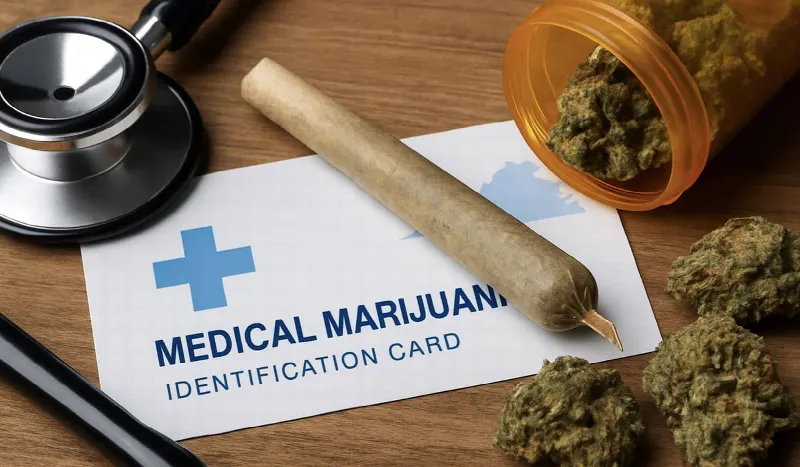
- Patients need active program credentials. Before purchasing, the dispensary must verify the patient’s medical marijuana card or registry status and required identification.
- Florida patients also need active physician orders. The patient can purchase only the routes and amounts currently authorized in the Medical Marijuana Use Registry.
- Pennsylvania patients need an active certification and card. Permitted product forms and usage rules differ from Florida, and smoking cannabis remains prohibited in Pennsylvania.
- Dispensary employees can explain available products. They may discuss labels, cannabinoid content, formats, onset, and duration, but a budtender should not be described as a physician or pharmacist.
- Review the product label carefully. Look at THC and CBD content, serving size, ingredients, testing information, warnings, and storage instructions before purchasing.
- Payment options may be limited. Because cannabis remains federally restricted, some dispensaries rely on cash, debit-based systems, or other approved payment methods.
- Use and store products responsibly. Keep cannabis in its original packaging, secure it from children and pets, never drive while impaired, and do not transport it across state lines.
- Purchase only from licensed dispensaries. State-regulated facilities provide tracked and tested products, while unlicensed sellers operate outside the medical program’s protections.
If you’re new to medical marijuana or recently approved for your card, you’re probably wondering:
“Where do I actually go to buy my medicine?”
That’s where dispensaries come in.
What Is a Dispensary?
A medical marijuana dispensary is a state-licensed facility where qualified patients can legally purchase cannabis products recommended by their physician. Think of it like a specialized pharmacy — but instead of filling prescriptions for pills, you’re accessing plant-based medicine tailored to your condition.
Dispensaries are regulated by state laws, so each one must follow strict rules regarding who they serve, what they sell, and how they operate.
What Can You Buy at a Dispensary?
Every dispensary offers a slightly different menu depending on their inventory and local laws.
Most commonly, you’ll find:
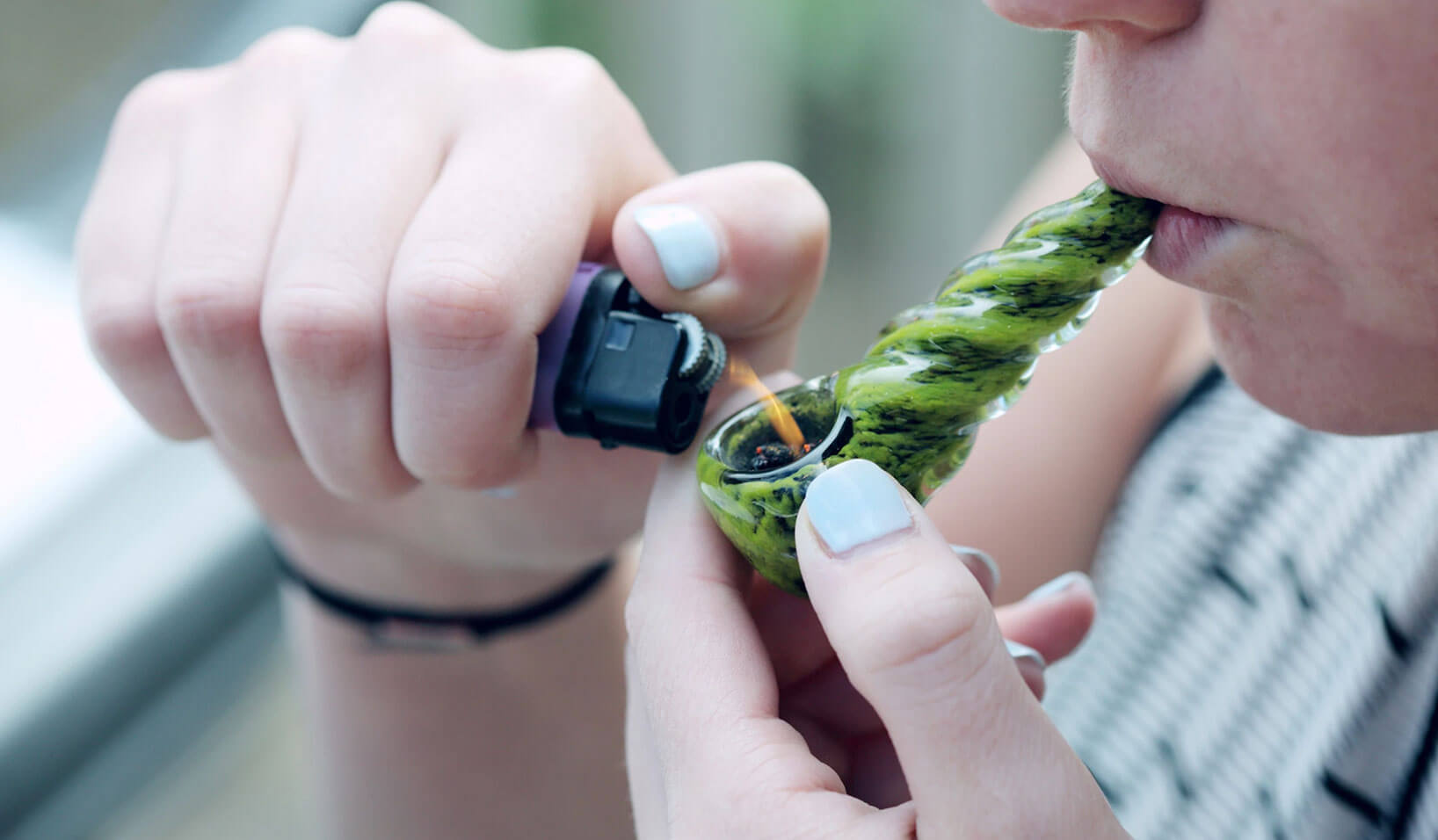
- Flower (bud) – Dried cannabis for smoking or vaping
- Vape cartridges – Pre-filled with cannabis oil
- Edibles – Gummies, chocolates, and infused snacks
- Tinctures & oils – Droppers for under-the-tongue use
- Topicals – Creams and lotions for localized relief
- Capsules or tablets – A more traditional dose form
All products will display important info like THC/CBD content, dosage strength, and strain type
(indica, sativa, or hybrid).
What Do You Need to Bring?
To shop at a dispensary, you’ll need:
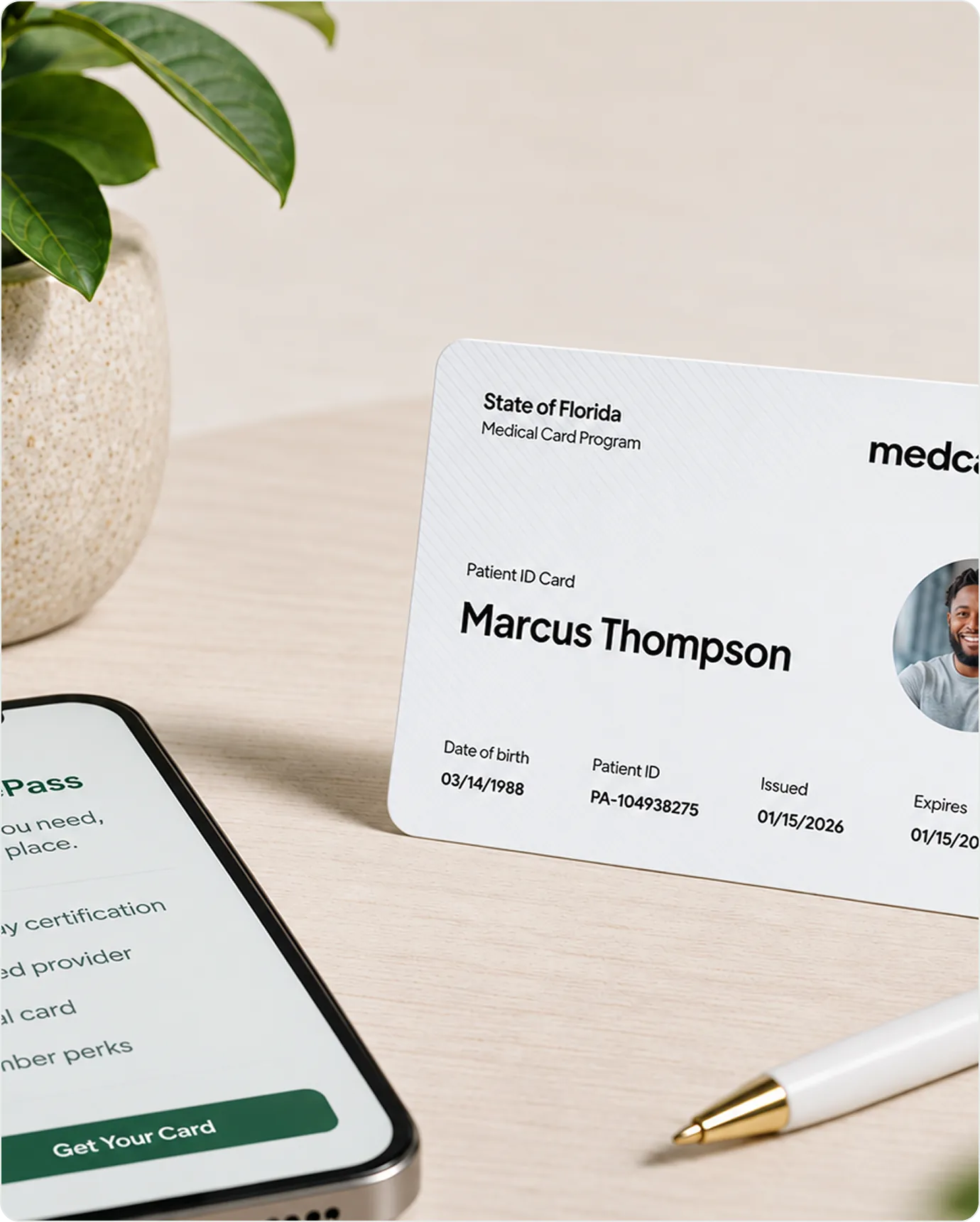
- Your state-issued medical marijuana card
- A valid photo ID (like a driver’s license)
- In some cases, cash, as not all dispensaries accept cards due to federal banking restrictions
What to Expect at Your First Visit
If it’s your first time, don’t worry — most dispensaries are welcoming and beginner-friendly.
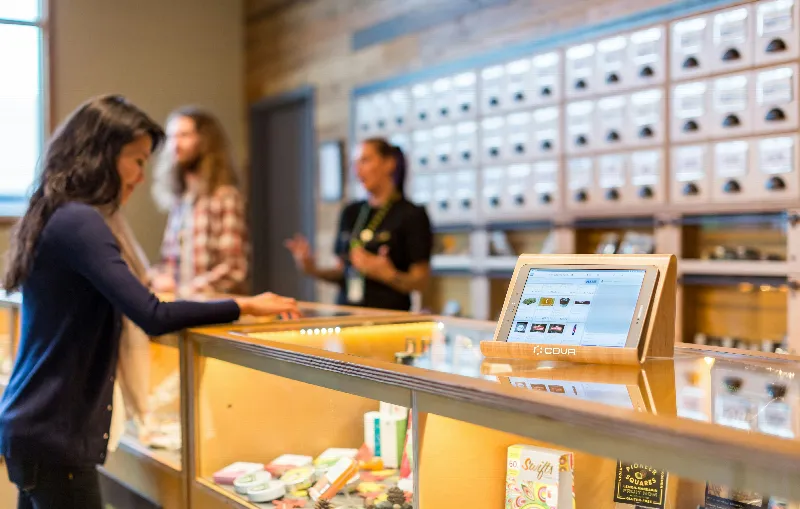
When you walk in, you’ll check in at the front desk. A budtender (the cannabis version of a pharmacist) will walk you through your options, answer questions, and help you find the right product for your needs.
If you’re unsure what to try, let them know your condition and preferences — they’re trained to guide you safely.
Finding a Dispensary Near You
We’ve made it easy. Whether you’re in Florida, Pennsylvania, or any other MMJ-friendly state, you can browse dispensaries directly through our platform. Back to Dispensaries Page.
Final Thoughts
Dispensaries serve as your gateway to safely and legally accessing medical cannabis with professional guidance, acting as the next step in your wellness journey once you have your card. If you still need to get certified, we’re here to help.
For all inquiries, contact@medcard.com.